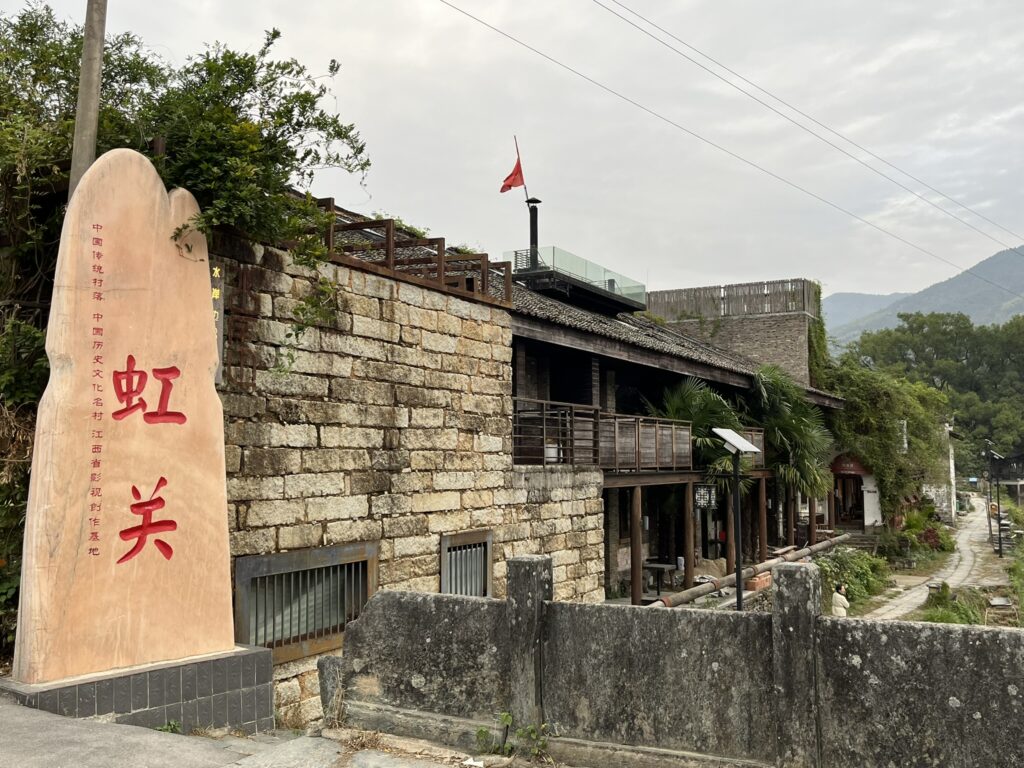
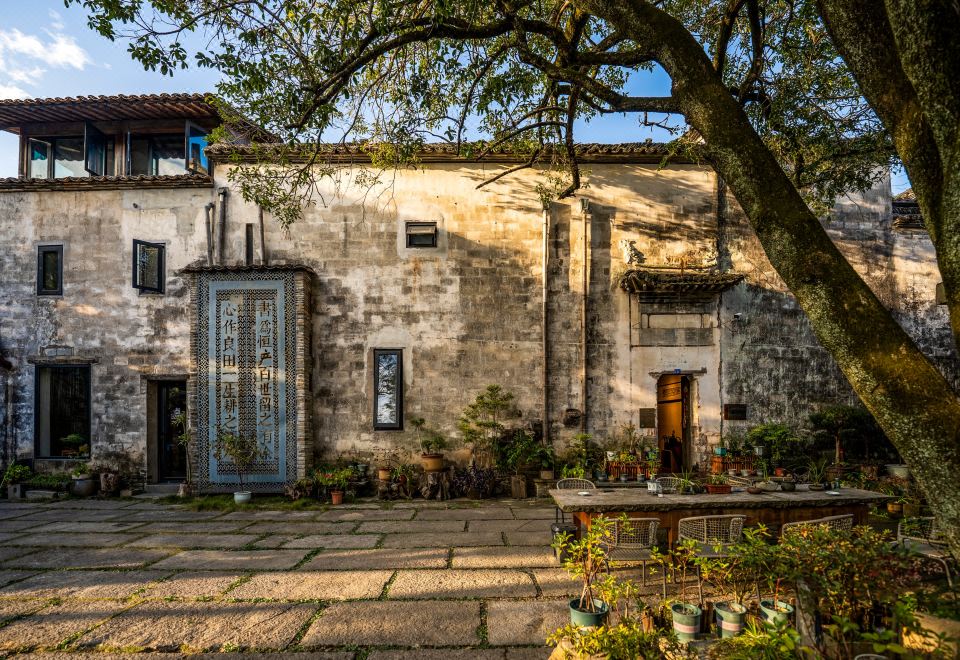
Hongguan Village is one of the most historic and culturally rich villages in Wuyuan, it has a history of over 1,000 years. Hongguan Village is best known as one of the birthplaces of Huizhou merchants and is also known as an “Ancient Village of Ink”. Unlike some more commercialized villages in Wuyuan, Hongguan Village retains quiet and authentic, often considered a hidden gem for travelers interested in traditional Huizhou culture.
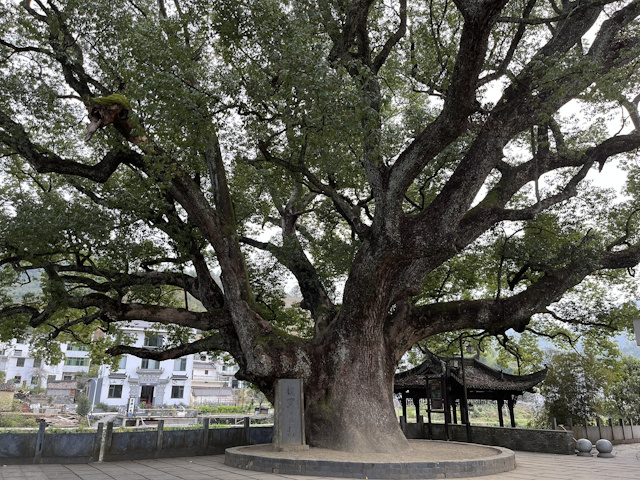
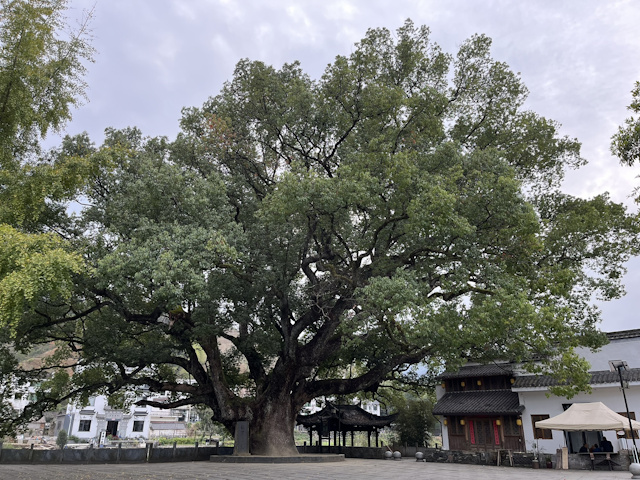
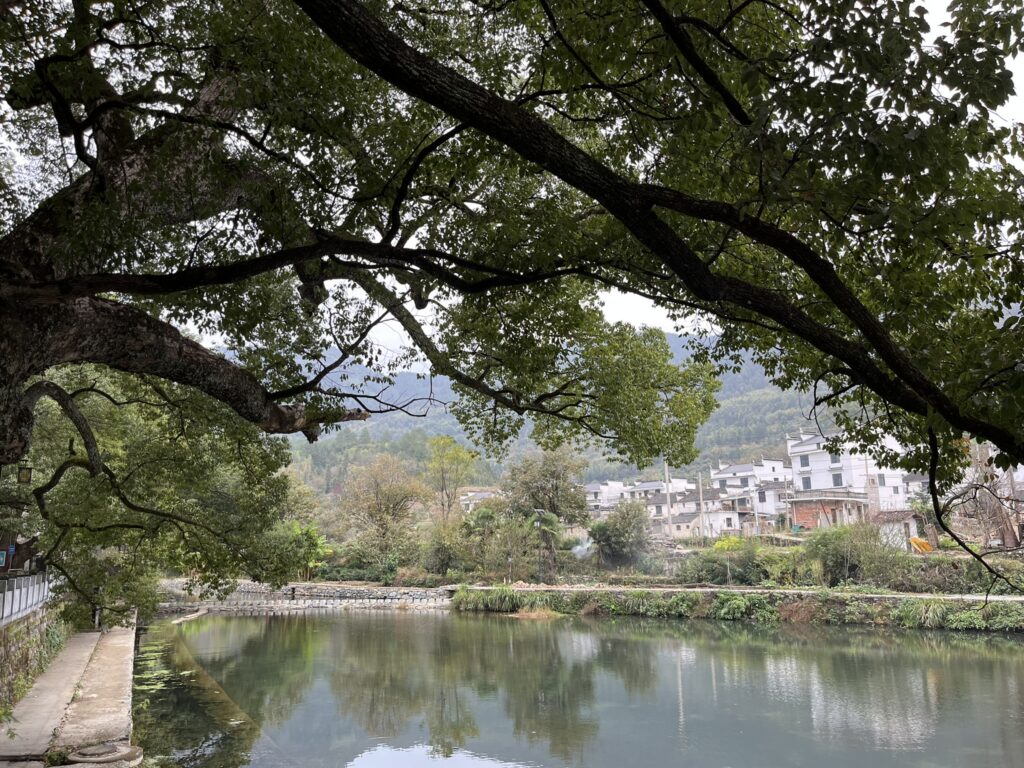
The Ancient Camphor Tree: it’s often the first thing you see entering the village by car because the parking lot is just next to the Ancient Camphor Tree Square where the 1100-year-old Camphor tree stands. The tree is about 26.1 meters tall, its trunk diameter is about 3.4 meters and its canopy spread is roughly three acres across, this huge profile gives the tree a majestic, awe-inspiring presence at the entrance of the village, and locals and visitors alike view it as a living symbol of Hongguan Village.
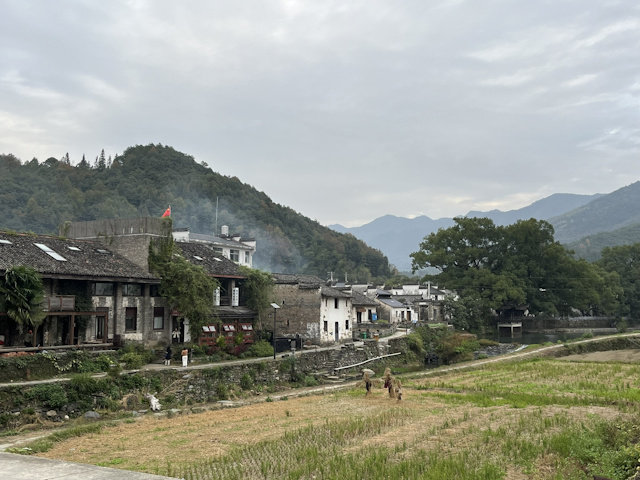
Countryside vibe: Hongguan Village is relatively remote (about 45 km from Wuyuan town center) compared to other more popular, touristy villages in Wuyuan, which is probably the main reason you can still see the original, rural, unhurried village life and feel the authentic, peaceful countryside atmosphere here.
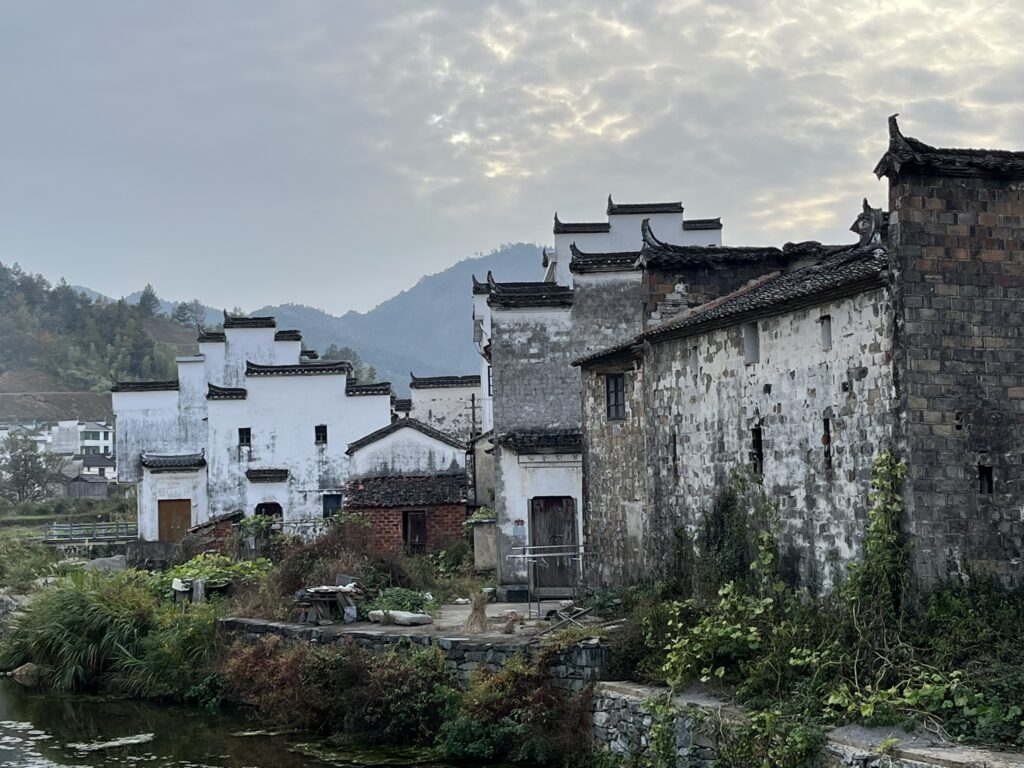
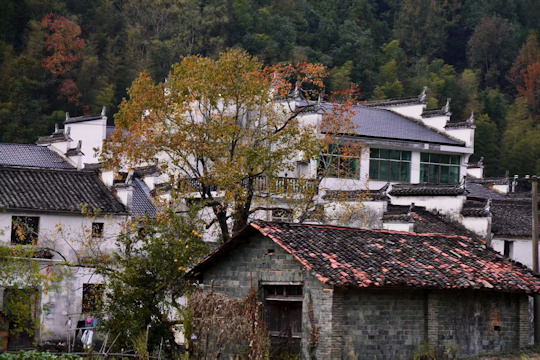
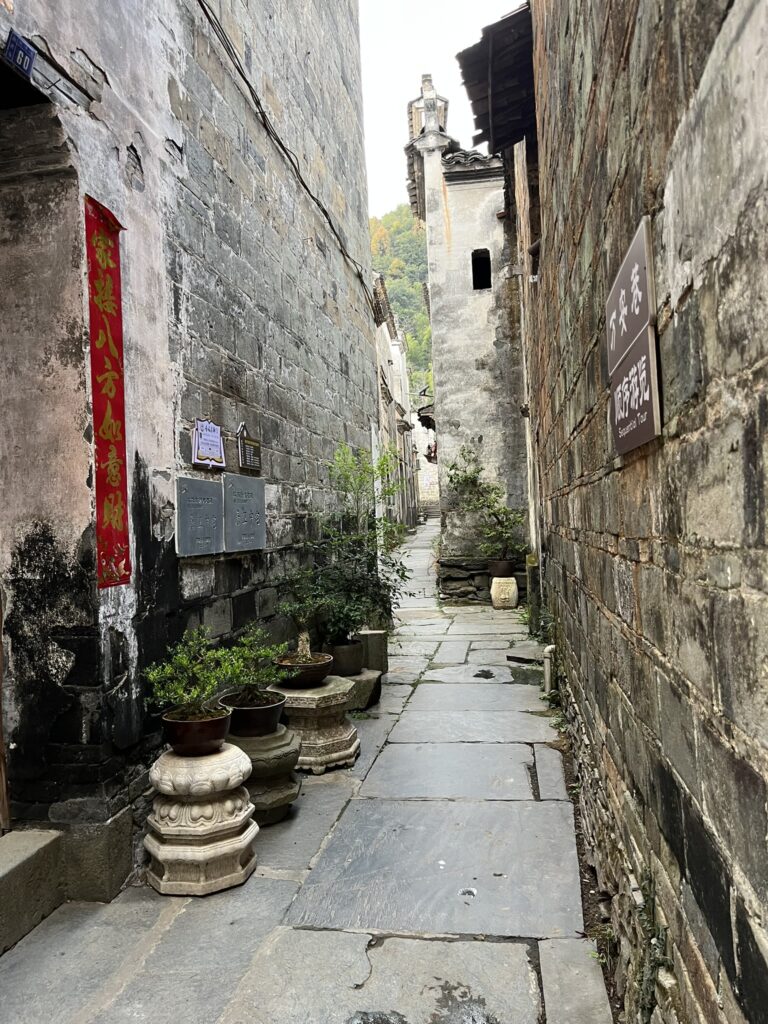
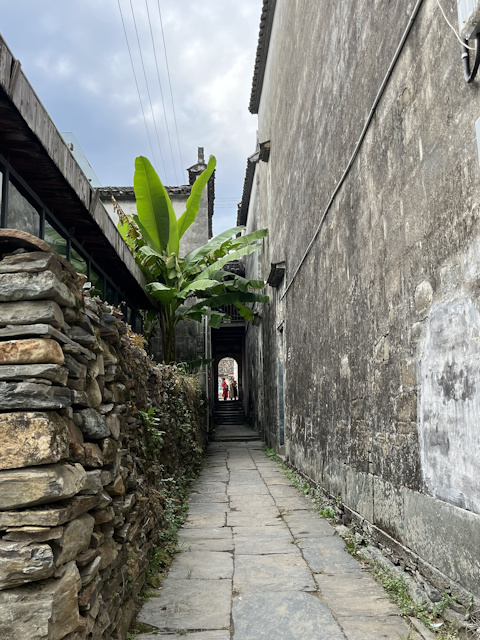
Hui-style architecture: Hongguan Village in Wuyuan is a well-preserved example of traditional Huizhou architecture, the village is dominated by whitewashed walls, dark gray tiles, and horse-head gables.
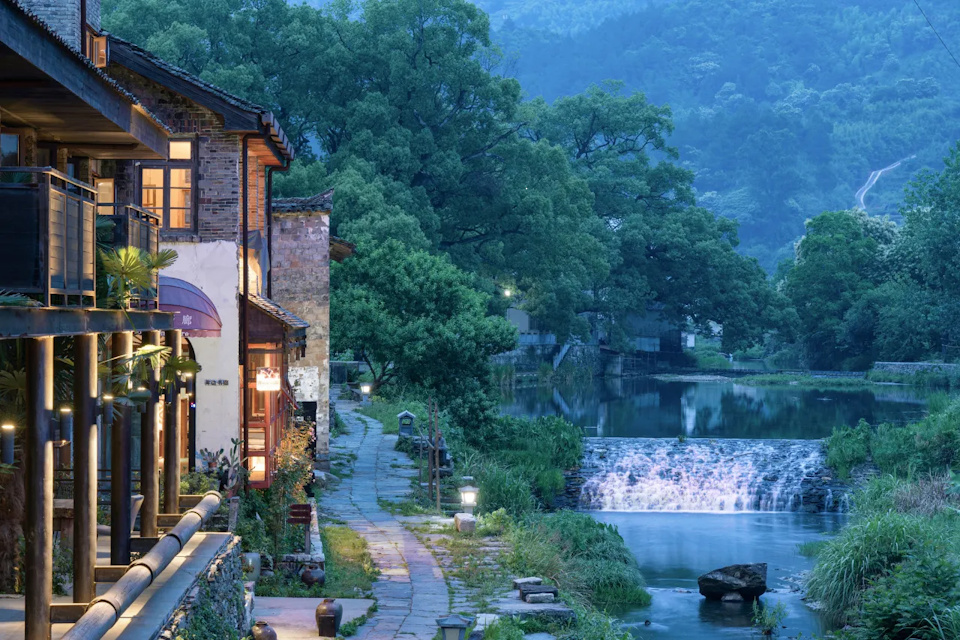
Village setting: Hongguan Village is nestled among mountains, streams, and ancient trees, and its architecture harmonizes with the landscape. Buildings are arranged to respect feng shui principles, often backed by hills and facing water, enhancing both aesthetic beauty and livability.
TheHui–Rao Ancient Trail is a historically significant ancient post road located in Wuyuan County, Jiangxi Province. It connected ancient Huizhou (around today’s Huangshan area) with Raozhou (present-day Shangrao) and served as an important route for cultural exchange and the transportation of goods between the Hui and Rao regions. Crossing mountain ranges, passing through valleys, and following rivers, the trail is often praised as “a historic pathway embedded in a landscape of mountains and waters.” It has long been favored by Huizhou merchants of the past and is now popular with visitors and hiking enthusiasts alike. Hongguan and its neighboring village Lingjiao are the most classic and hikeable segment of the route in Wuyuan.
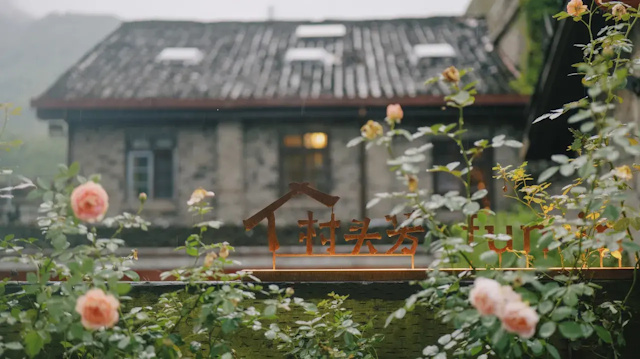
Village Head Fang: this hostel (B&B) was opened in 2024, it has a nice restaurant and cafe, check it out if you need a break.
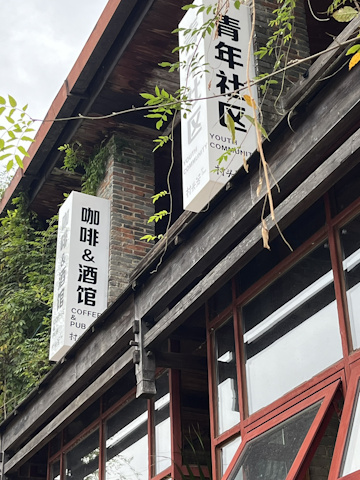
Vibrant youth community: Although Hongguan Village is known for its ancient Huizhou architecture and centuries-old history, it also has a surprisingly vibrant and youthful community that gives new life to this traditional settlement.
In recent years, young residents, returnees from cities, and creative travelers have gradually become part of village life. Some have returned to restore ancestral homes, while others have opened small cafés, guesthouses and hostels, craft studios, and cultural spaces, blending modern lifestyles with historic surroundings. These young people from all walks of life gather together: talking, biking, hiking, barbecue, reading , stargazing at night, and so much more to do.
Village Stay: Consider staying overnight in a guesthouse in Hongguan to experience the village’s quiet charm at dawn and dusk. Liu Geng House by the Ancient Camphor Tree Square and Wuyuan on the Bound hotel at the village entrance are recommended. Liu Geng House also has a trendy cafe on its first floor, pop in for a drink.
Travel Tips:
Free entrance to Hongguan Village.
There is no direct bus from Wuyuan Train Station to Hongguan village, but Wuyuan Bus Station has direct buses to Lingjiao Village (last stop) and you can get off at Hongguan Village (second last stop). The current schedules: 7:30, 10:10, 11:10; 12:50, 14:20; 15:40
There is a very popular hiking route from Lingjiao Village to Guankeng Village, but you can start at Hongguan, just add about 1.5km-2km/30 minutes on the route.
Hongguan Village, Chaguan Village and Lingjiao Village are very close to each other, people usually visit these three villages together.