
Discover Wuyuan

Joyce

Direct Bus From Huangling ⇄ Wangxiangu(Wangxian Valley) Scenic Area Newly Launched!

Direct Bus From Huangling ⇄ Wangxiangu(Wangxian Valley) Scenic Area Newly Launched!

Good news! The Huangling ⇄ Wangxiangu(Wangxian Valley) Scenic Area direct bus officially begins operation on February 28, 2026.

Route: Huangling ⇆ Wangxiangu(Wangxian Valley)

Ticket Prices:

  • Huangling Scenic Area → Wangxiangu Scenic Area: RMB 90 per person
  • Wuyuan High-Speed Railway Station or Wunvzhou(WuNvFairyland)→ Wangxiangu: RMB 70 per person

Departure Times:

  • Huangling Scenic Area → Wangxiangu Scenic Area: 11:00, 14:00
  • Wangxiangu Scenic Area → Huangling Scenic Area: 9:30, 16:00

How to buy tickets:

Open the DiDi APP(a Chinese rideshare app)/DiDi mini program, tap “Station Bus”on the homepage, select Hot Route/Wuyuan, then select Huangling-Wangxian Valley. On the following page, pick your departure time, and boarding/arriving stops, enter the passenger information and complete the payment by Alipay or Wechat Pay. Your ticket will then be successfully purchased (simply present the QR code for verification when boarding).

China Adds UK and Canada to 30-Day Visa-Free List

China Adds UK and Canada to 30-Day Visa-Free List

UK and Canadian passport holders will be able to travel to mainland China for up to 30 days without a visa starting February 17, 2026. Check official news. This brings the total to around 50 countries with visa-free access to China. See more on visa-free policies

Effective Dates: February 17, 2026 – December 31, 2026

Who Is Eligible: Holders of ordinary (regular) Canadian or UK passports can enter China’s mainland for tourism/sightseeing, business trips, visiting family or friends etc.

Perfect Timing for Visiting Wuyuan – The Most Beautiful Countryside in China: Spring is the most celebrated season in Wuyuan. From mid-March to mid-April, the countryside transforms into a vast sea of golden canola flowers framed by misty mountains and classic Hui-style villages.

International travellers, take full advantage of these visa-free access policies, come to visit China, come to visit Wuyuan! By taking high speed trains, it takes about 3 hours from Shanghai to Wuyuan, about 7 hours from Beijing to Wuyuan and only 24 minutes from Yellow Mountain (Huangshanbei Train Station) to Wuyuan. Check train schedules

cafe

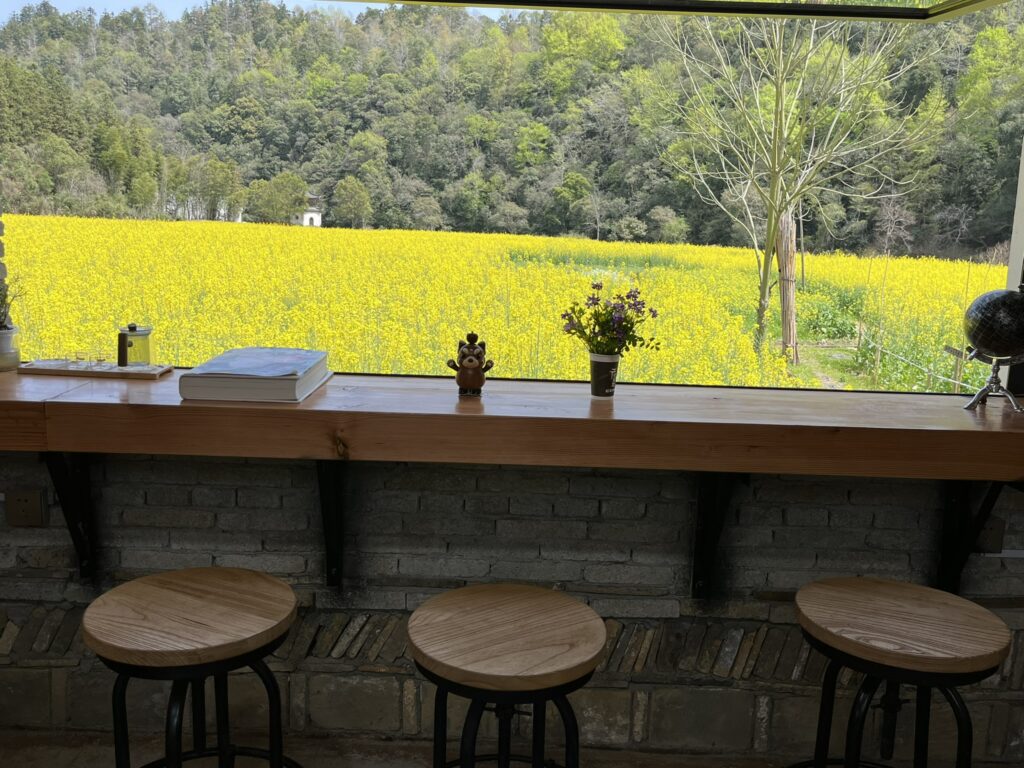
A Beautiful Village café in Wuyuan

A Beautiful Village café in Wuyuan

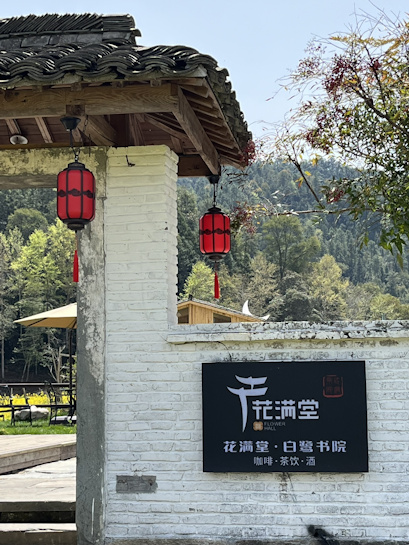
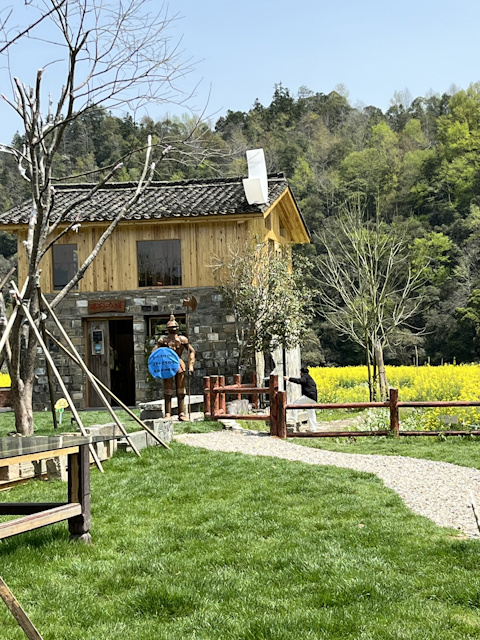
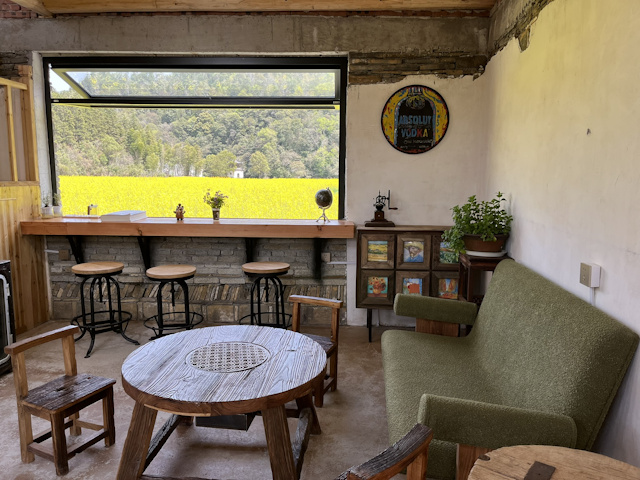
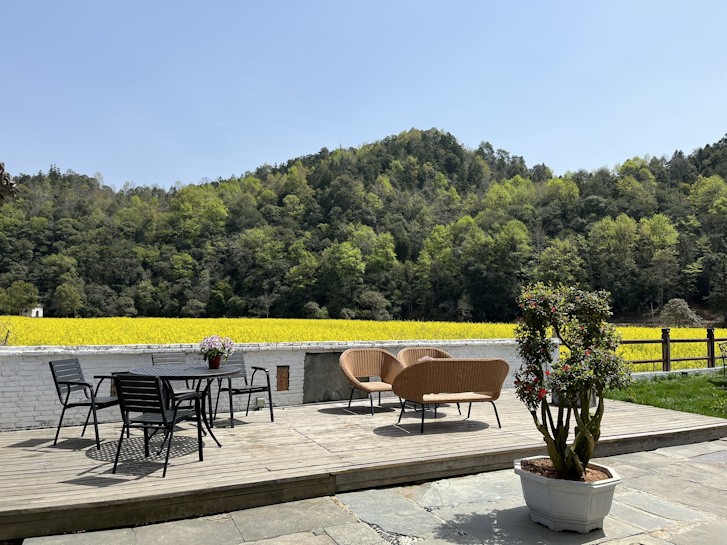
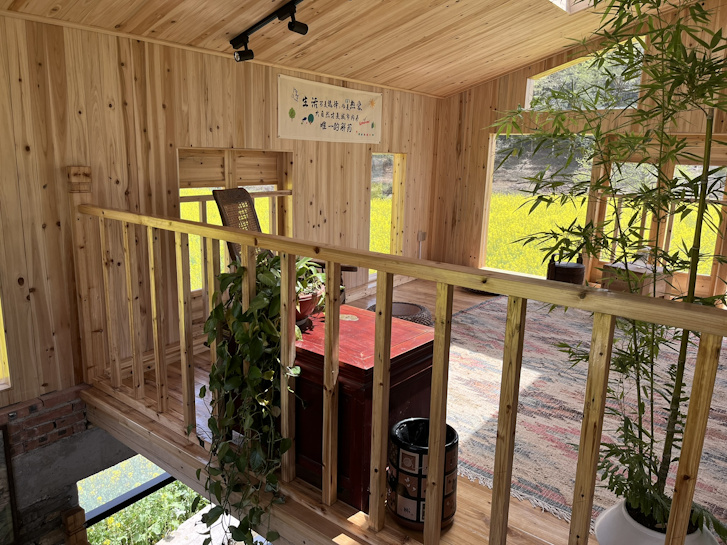
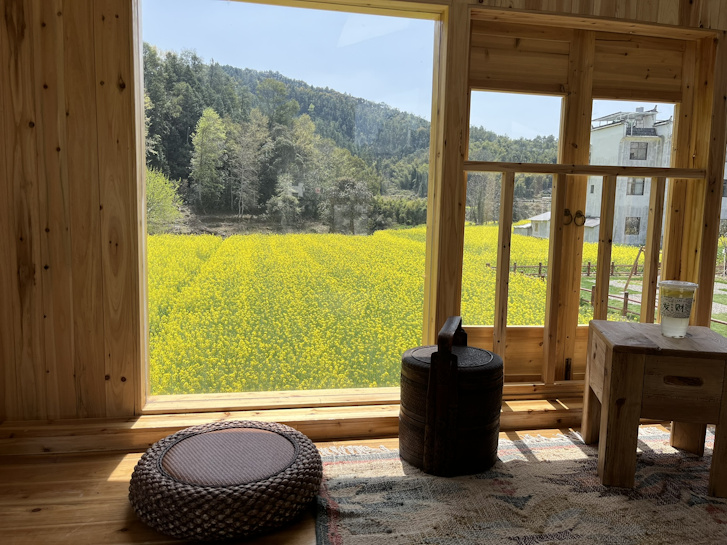
While traveling in Wuyuan — the most beautiful countryside in China — are you looking for a place where time slows down, allowing you to quietly appreciate its unique architecture and gorgeous countryside views? If so, this café is the perfect stop for you.

  • What makes this café special: Nestled in a charming ancient village and surrounded by stunning golden canola fields, it offers a serene, idyllic setting where every corner is truly photo-worthy.
  • Best time to visit: For that Instagram-perfect photo, plan your trip in spring, especially from mid-March to early April, when Wuyuan’s canola flowers are in full bloom.
  • Location: The café is located inside Wuyuan Huamantang · Egret Academy Guesthouse, in Sixiyan Village.
  • Bonus: Their freshly made lemonade is delicious—a perfectly refreshing drink on a hot summer day.
Bus Schedules

Bus Schedules to Sixiyan Village, Rainbow Bridge, Yantian Village and more scenic spots from Wuyuan Train Station

Bus Schedules to Sixiyan Village, Rainbow Bridge, Yantian Village and more scenic spots from Wuyuan Train Station

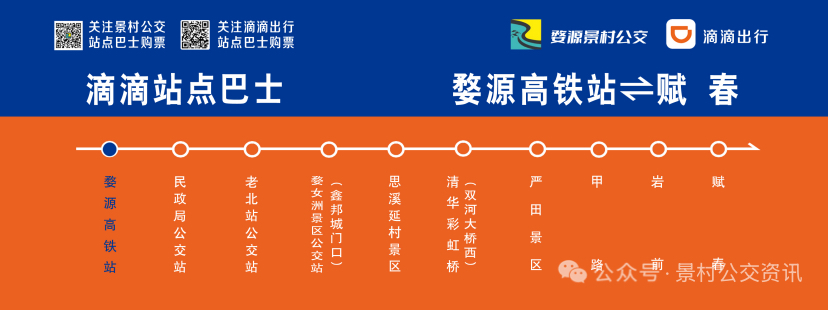
New: starting December 18th 2025, the direct bus line to Sixiyan Village, Rainbow Bridge, Yantian Village, Jialu Village, Yanqian Village and Fuchun Town from Wuyuan Train Station has officially launched.

There is a Bus Station next to Wuyuan Train Station. When you get off the train, just follow the Orange sign on the floor, you don’t need to exit the train station, an escalator will bring you to the ground level of the bus station. There are direct buses that you can take to  Sixiyan Village, Rainbow Bridge, Yantian Village, Jialu Village and more, on route to Fuchun Town (final stop).

The buses to Fuchun Town currently run eight times a day, the first departing bus is 8:10 and the last departing bus is 16:30. 

Bus Schedules to Fuchun Town ( via Sixiyan Village, Rainbow Bridge, Yantian Village and more scenic spots) from Wuyuan Train Station: 8:10/9:40/10:30/11:30/12.30/13.30/14.30/16.30

Bus Schedules to Wuyuan Train Station from Fuchun Town: 7:30/9:45/11:30/12:30/13:30/14:30/15:30/16:40

Bus fee:

Wuyuan Train Station to Sixiyan Village/ Rainbow Bridge: 10 CNY/Person

Wuyuan Train Station to Yantian Village/ Jialu Village: 13 CNY/Person

Wuyuan Train Station to Yanqian Village/ Fuchun Town: 15 CNY/Person

How to pay: phone app like Alipay/Wechat Pay or DD APP. If you have problems paying on the phone, there are people on the platform who will assist you.

Please note: buses departing from Wuyuan Train Station usually run on schedule, but for returning buses, you need to ask the driver for specific bus stop schedule and you’d better be at the bus stop a little early just not to miss the bus, especially the last one.

Qi’ao Village, Zhuhai, China

Qi'ao Village, Zhuhai, China

Qi’ao Village is located on Qi’ao Island in Guangdong province of China, it is the main village on the island. Qi’ao Island is a tourist destination rich in natural scenery and cultural heritage, suitable for cultural tourism, family trips, and eco-tours.

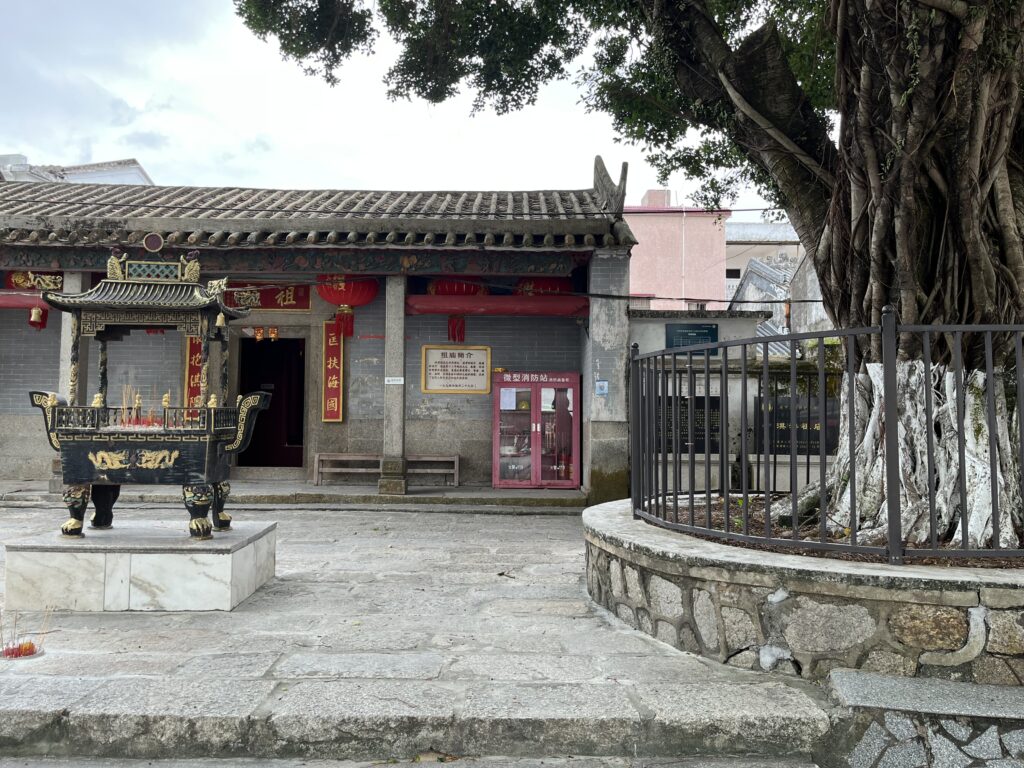
Qi’ao Village was established in the Southern Song Dynasty (1244), and the village is affiliated with Tangjia Town, Xiangzhou District, Zhuhai City of Guangdong Province, with its earliest residents mainly migrating from Fujian and Taiwan. Qi’ao Village itself is a traditional settlement renowned for its distinct Lingnan water town charm, featuring well-preserved ancient architecture and rich folk cultural resources. In 2015, Qi’ao Village was designated as a traditional village in Guangdong Province. 

Highlights of Qi’ao Village (Qi’ao Island):

  • Qi’ao Mangrove Nature Reserve:
    Qi’ao Mangrove Nature Reserve is a type of coastal wetland & protected mangrove ecosystem, it contains approximately 2–3 square kilometers of tidal flats, channels, and mangrove forest. Mangroves are not a single species but a special plant community adapted to high salinity, low oxygen, and tidal conditions. They breathe through aerial roots and reproduce viviparously, allowing their seedlings to mature on the parent plant before taking root. This unique survival strategy enables mangroves to serve as an ecological bridge between the ocean and the land, earning them the title of “Coastal Guardians.” On this wetland, more than 150 species of birds, dozens of fish species, and various crustaceans thrive. The period from October to March of the following year is the prime time for bird watching on Qi’ao Island.
  • Mr. Su Zhaozheng’s Former Residence Exhibition Hall:
    Su Zhaozheng (1885–1929) was a prominent early Chinese labor movement leader and revolutionary figure. He was born on Qi’ao Island, and is one of the island’s most historically important figures.The exhibition hall is housed in a quaint traditional residence within the village, blending architectural styles of Cantonese and Hakka influences. With its blue bricks, dark tiles, carved beams, and painted rafters, it showcases the unique charm of Lingnan’s traditional dwellings. The interior of the exhibition hall features a diverse collection, including a wealth of historical photographs, physical artifacts, documentary manuscripts, and multimedia displays. These elements comprehensively recreate the life and revolutionary journey of Mr. Su Zhaozheng.
  • Baishi Street:
    Baishi Street, located on Qi’ao Island, is a granite-paved street approximately 2 kilometers long. It was constructed in 1833 using 3,000 taels of silver paid as compensation by British colonists after their military defeat. The street retains the original charm of a fishing village, with bluestone pavements complementing residential buildings featuring blue doors and green walls. Wall decorations include elements such as graffiti art and wood-carved inscriptions. Along the street, visitors can find creative businesses like handicraft shops and cafes.
    As an open-access attraction, Baishi Street is free to the public all day, with a recommended visit duration of about one hour. Nearby ecological tourism resources include the Mangrove Nature Reserve and Lingge Park.

When to visit: The best time to visit Qi’ao Island is from October to December for pleasant temperatures: 20–27°C; low humidity and less rainfall; clear skies — perfect for biking, hiking, and visiting historical villages and not too crowded compared to summer. For bird lovers, this is also the best time for bird-watching.

How to get there: 

  • By train: Zhuhai is well connected by trains. Get off at Tangjiawan Train Station of Zhuhai, then take taxi or DiDi, it’s about 20–35 minutes depending on traffic, cost around ¥35–¥60 and you’ll be dropped directly at Qi’ao Village, which sits near the island’s central area and attractions.
  • By bus: Bus Route 86, runs from Tangjiawan → Qi’ao Village, bus fare: ¥1–¥3, but expect around 30 minutes of wait time.

Where to stay: Qi’ao Island is easily a one-day trip from Zhuhai, and can be a weekend trip from cities like Guangzhou, Shenzhen and Hongkong. There are a few places to stay on Qi’ao Island. Because it’s still fairly rural and low-key, most accommodations are small guesthouses or homestays rather than big hotels. Check here for accommodations.